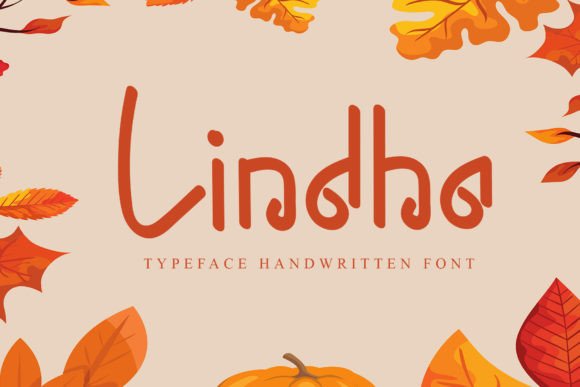
The Art of Elegance: Why Lindha is the Perfect Handwritten Display Font for Modern Design
In the world of graphic design, typography is more than just selecting letters; it is about setting a tone, evoking an emotion, and guiding the viewer’s eye. When a project demands a personal, intimate, or sophisticated touch, standard sans-serifs or rigid serifs often fall short. This is where Lindha steps in as a versatile solution. As a unique and elegant display font, Lindha bridges the gap between traditional calligraphy and modern digital usability, offering designers a tool that feels both timeless and contemporary.
Whether you are crafting a high-end wedding invitation suite or designing a bold billboard campaign, the right typeface can make or break the aesthetic. Lindha has emerged as a favorite among creative professionals who need a handwritten style that doesn’t sacrifice readability or technical ease. Its fluid strokes and organic curves provide that essential "human" element in an increasingly digital landscape, making it ideal for projects that require warmth and personality.
Understanding the Aesthetic Appeal of Lindha
What makes Lindha stand out from other script fonts? It isn’t merely about mimicking handwriting; it is about capturing the *essence* of hand-lettering with the precision of digital type. The font features varying stroke weights and natural irregularities that give each character a distinct, artisanal feel. This elegance is not accidental—it is carefully engineered to look good at various sizes and contexts.
When you place Lindha on a canvas, it immediately draws attention. Its display nature means it shines brightest when used for headlines, titles, and key messaging rather than body text. Think of it as the visual equivalent of a signature: it adds a layer of authenticity and exclusivity. For brands looking to convey luxury, romance, or creativity, Lindha provides a subtle yet powerful signal of quality.
Versatility Across Mediums
One of the most compelling aspects of Lindha is its adaptability. While many script fonts struggle when scaled up or down, Lindha maintains its integrity across different mediums. Here is how it performs in common design scenarios:
- Wedding Invitations: The soft, flowing lines of Lindha evoke romance and celebration. It pairs beautifully with serif body fonts, creating a classic yet fresh look for save-the-dates, RSVP cards, and ceremony programs.
- Greeting Cards: For birthdays, anniversaries, or holidays, Lindha adds a personal touch that feels like it was written by a friend. Its legibility ensures that heartfelt messages are received clearly without sacrificing style.
- Billboards and Signage: Surprisingly, Lindha works well on large-scale outdoor advertising. Its strong letterforms remain readable from a distance, allowing brands to create memorable, eye-catching campaigns that stand out against urban clutter.
- Logos and Branding: For boutique businesses, cafes, or creative agencies, Lindha offers a distinctive logo mark potential. It conveys approachability and artistry, helping small businesses compete with larger corporations through unique visual identity.
- Business Cards: In a stack of generic cards, one featuring Lindha stands out. It suggests attention to detail and a refined taste, leaving a lasting first impression on potential clients.
Technical Advantages: The Power of PUA Encoding
Beyond its visual charm, Lindha offers significant technical benefits that streamline the design workflow. Many users may not be aware of what PUA encoding means for their practical experience, but it is a game-changer for efficiency and control.
PUA, or Private Use Area, encoding allows designers to access all glyphs, swashes, and alternate characters directly within standard text fields. In older or less sophisticated font formats, accessing decorative elements might require jumping into specialized glyph panels, searching through hundreds of characters, or manually swapping out letters. With Lindha, this process is intuitive.
Seamless Access to Swashes and Alternates
The "handwritten" look relies heavily on variation. A perfect script font includes multiple versions of certain letters—some with elaborate flourishes (swashes) and others with simple, clean forms. Lindha is packed with these alternatives, giving designers the freedom to customize every word.
- Customization: You can mix and match swashes to create unique ligatures and connections between letters. This allows for bespoke wordmarks that don’t look like they came from a template.
- Speed: Because these characters are accessible via PUA, you can type normally and then swap out specific letters using your keyboard shortcuts or font menu. This drastically reduces production time for repetitive tasks.
- Consistency: All glyphs are designed to share the same baseline, weight, and rhythm. This ensures that even when you mix standard characters with elaborate swashes, the overall composition remains balanced and harmonious.
This technical ease is particularly valuable for freelance designers working under tight deadlines. It removes the friction between idea and execution, allowing creativity to flow without being hindered by software limitations.
Best Practices for Using Lindha Effectively
To get the most out of Lindha, it is important to understand how to pair and position it correctly. Like any display font, misuse can lead to cluttered or hard-to-read designs. Here are some practical tips for integrating Lindha into your projects.
Pairing with Complementary Typefaces
Lindha is a statement maker, so it should not compete with itself. The best results come from pairing it with neutral, highly readable fonts for body text. Classic choices include:
- Geometric Sans-Serifs: Fonts like Montserrat or Lato provide a clean contrast to the organic curves of Lindha, modernizing the overall look.
- Traditional Serifs: For a more formal or vintage aesthetic, pair Lindha with a serif like Garamond or Baskerville. This combination exudes sophistication and is perfect for editorial or luxury branding.
Avoid pairing Lindha with other script fonts unless you are an experienced typographer. Mixing two handwritten styles often creates visual chaos and reduces legibility.
Whitespace is Your Friend
Because Lindha has intricate details and varying stroke widths, it needs room to breathe. Crowding Lindha text with other elements or compressing the line spacing can obscure its beauty. Use generous whitespace around headings and ensure that the leading (line height) is ample enough to let the ascenders and descenders of the letters extend comfortably.
Considerations for Digital and Print Workflows
Before adopting Lindha for a major project, consider the end-use. While it is robust, it is primarily a display font. Attempting to use it for long paragraphs of body copy will likely result in reader fatigue due to its complex shapes.
For print projects, ensure that your printer supports high-resolution output. The fine details of the swashes and thin strokes are best appreciated in high-quality paper stocks. For digital applications, such as web headers or social media graphics, Lindha renders sharply on modern screens, but always test it on mobile devices to ensure it scales appropriately.
Additionally, remember licensing. Lindha is a commercial font, so always verify the license terms based on your usage—whether for personal projects, client work, or merchandise. Understanding the licensing structure helps avoid legal issues and supports the designers who created this beautiful typeface.
Conclusion
In a design landscape saturated with uniformity, Lindha offers a refreshing return to human-centric aesthetics. Its elegant curves, combined with the technical convenience of PUA encoding, make it a powerful asset for any designer’s toolkit. From the delicate pages of a wedding invitation to the bold face of a city billboard, Lindha brings a touch of grace and individuality that resonates with audiences. By understanding its strengths and applying it with thoughtful restraint, you can elevate your designs to new heights of sophistication and impact.