Unpaid: The Art of Elegant Handwritten Typography for Modern Design
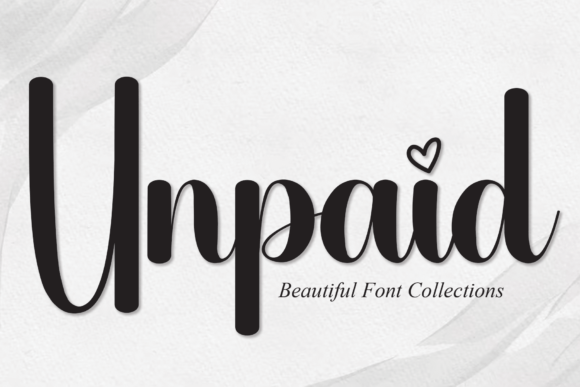
In an era dominated by digital precision and standardized sans-serif fonts, there is a growing desire to inject warmth, personality, and authenticity into visual communication. This is where Unpaid steps in as a distinctive solution. Unpaid feels equally charming and elegant, offering a typeface that bridges the gap between professional polish and personal touch. It looks stunning on wedding invitations, thank you cards, quotes, greeting cards, logos, business cards, and every other design which needs a handwritten touch.
For designers, small business owners, and event planners, finding a font that captures the essence of handwriting without sacrificing readability or scalability can be challenging. Unpaid addresses this need by providing a versatile script that mimics the organic flow of pen on paper while maintaining the structural integrity required for high-quality print and digital media. This article explores how to leverage Unpaid to elevate your designs, solve common typography challenges, and create memorable visual experiences.
Understanding the Appeal of Handwritten Typography
Before diving into the specific applications of Unpaid, it is essential to understand why handwritten-style fonts have become a staple in modern design. Human brains are wired to respond to human elements. A handwritten font suggests effort, care, and individuality—qualities that mass-produced, rigid typefaces often lack. When you choose a font like Unpaid, you are not just selecting characters; you are selecting a mood.
The primary goal of using such typography is to establish an emotional connection with the viewer. Whether it is a heartfelt thank you note or a sophisticated brand logo, the "hand" behind the letters reassures the audience that a real person curated the message. However, not all script fonts are created equal. Many struggle with legibility at small sizes or fail to look natural when scaled up. Unpaid excels because it balances aesthetic charm with functional usability, making it suitable for a wide range of practical applications.
Practical Applications for Weddings and Events
One of the most prominent use cases for Unpaid is in the realm of weddings and special events. Wedding stationery sets the tone for the entire occasion, and couples are increasingly moving away from traditional, formal scripts toward more relaxed, yet still elegant, options. Unpaid fits perfectly into this niche.
- Wedding Invitations: The name of the couple takes center stage. Using Unpaid for the main text allows for a graceful, flowing presentation that feels both romantic and modern. Its elegance ensures that the invitation remains dignified, while its charm makes it feel inviting rather than stiff.
- Rsvp Cards and Details Inserts: For secondary information, Unpaid can be used to highlight key details such as dates, venues, or dress codes. Because the font is readable, guests can easily find the information they need without straining their eyes.
- Thank You Cards: After the event, thank you notes are crucial. Using Unpaid for the printed portion of these cards adds a layer of sophistication. It mimics the look of a handwritten note, which is traditionally preferred for gratitude, but offers consistency across dozens or hundreds of cards.
When designing for events, consider pairing Unpaid with simpler, clean serif or sans-serif fonts for body text. This contrast prevents the design from becoming overwhelming and ensures that important logistical details remain clear.
Elevating Brand Identity and Business Materials
While often associated with personal correspondence, Unpaid is also a powerful tool for branding. In a crowded marketplace, businesses need to stand out. A logo designed with Unpaid can convey creativity, craftsmanship, and approachability. It signals that the brand values artistry and attention to detail.
Business Cards: Imagine receiving a business card where the name is rendered in Unpaid. It immediately distinguishes the card from the sea of generic corporate templates. It suggests that the professional behind the card is creative and thoughtful. For freelancers, artists, consultants, and boutique shop owners, this subtle cue can enhance perceived value.
Logos: Creating a logo with a handwritten font requires careful consideration of spacing and kerning. Unpaid’s balanced proportions make it easier to work with when constructing a wordmark. It provides a unique signature element that can become synonymous with the brand identity. For example, a bakery, a florist, or a boutique clothing line could use Unpaid to emphasize handmade quality and artisanal roots.
To maximize impact, ensure that the logo version of Unpaid is scalable. Test it in black and white, in small sizes (like favicons), and in large formats (like signage) to ensure it retains its charm and legibility across all mediums.
Digital Content and Social Media Engagement
The utility of Unpaid extends beyond print. In the digital space, particularly on social media platforms like Instagram and Pinterest, visual appeal drives engagement. Quotes, motivational posts, and announcements benefit greatly from the aesthetic provided by Unpaid.
Quote Graphics: Inspirational quotes are ubiquitous online. By setting the text in Unpaid, designers can transform a simple sentence into a shareable piece of art. The font’s elegance elevates the content, making it more likely to be saved or reposted. Pair Unpaid with minimalist backgrounds to let the typography shine.
Greeting Cards and Digital Messages: With the rise of e-greeting cards and digital messaging, the demand for beautiful digital typography has grown. Unpaid allows users to create custom digital greetings that feel personal and crafted. Whether it is a birthday wish, a holiday greeting, or a seasonal announcement, Unpaid adds a layer of polish that standard fonts cannot achieve.
Considerations for Implementation
While Unpaid is versatile, successful implementation requires adherence to best practices. Here are some recommendations for getting the most out of this typeface:
- Maintain Readability: Even though Unpaid is elegant, avoid using it for long blocks of text. It is best suited for headlines, names, short phrases, and accents. Use a highly readable sans-serif or serif font for paragraphs to ensure accessibility and ease of reading.
- Pay Attention to Spacing: Script fonts often require adjusted letter spacing (kerning) to look their best. Tight spacing can cause letters to collide, while loose spacing can break the flow. Take time to adjust the tracking manually if your design software allows it.
- Color Contrast: Ensure sufficient contrast between the text and the background. Unpaid’s delicate strokes can get lost on busy or low-contrast backgrounds. Dark text on light paper, or light text on dark backgrounds, usually yields the most striking results.
- Pairing Fonts: Experiment with different font pairings. Unpaid pairs well with geometric sans-serifs for a modern look, or with classic serifs for a timeless feel. The key is to balance the decorative nature of Unpaid with stability in the supporting typeface.
Who Should Use Unpaid?
Unpaid is not limited to professional graphic designers. It is accessible to anyone looking to improve their design output. Freelancers creating their own marketing materials, small business owners managing their own social media, and individuals planning personal events can all benefit from using Unpaid. Its user-friendly nature means that even those with limited design experience can achieve professional-looking results.
Furthermore, Unpaid appeals to those who value sustainability and mindfulness in design. By choosing a font that emphasizes human touch, users align themselves with a slower, more intentional approach to communication. In a world of instant, disposable content, taking the time to craft a message with Unpaid stands out as a gesture of respect and care for the recipient.
Conclusion
Unpaid represents more than just a font choice; it is a strategic design decision that enhances the emotional resonance of your projects. From the intimate setting of a wedding invitation to the public face of a business logo, Unpaid delivers a consistent message of elegance and charm. By understanding its strengths and applying it thoughtfully to various contexts, you can create designs that not only look stunning but also connect deeply with your audience. Whether you are printing physical cards or designing digital graphics, incorporating Unpaid into your workflow is a simple yet effective way to add a handwritten touch that truly matters.