Back to 90s. Retro Seamless Patterns: A Practical Guide to Vintage Design Assets
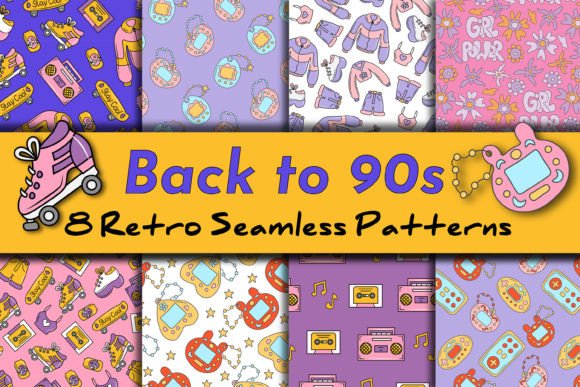
Nostalgia is a powerful driver in modern design, and the aesthetic of the 1990s remains one of the most versatile and recognizable styles available today. For designers, crafters, and content creators looking to tap into this cultural moment, Back to 90s. Retro Seamless Patterns offers a curated collection that balances authenticity with contemporary usability. This resource provides eight distinct groovy patterns featuring iconic elements such as Tamagotchi devices, roller skates, tape recorders, skateboards, and fashionable female clothing from the era.
While many retro-themed assets exist on the market, evaluating them requires more than just an appreciation for vintage aesthetics. It demands an understanding of technical specifications, versatility across mediums, and how well the design integrates into broader projects. This article breaks down what makes this specific collection stand out, compares it against general alternatives, and helps you determine if it fits your specific workflow needs.
Understanding the Core Collection
The Back to 90s. Retro Seamless Patterns set is not merely a single image repeated; it is a cohesive library of eight unique designs. Each pattern utilizes colorful, hand-drawn illustrations that capture the playful yet edgy spirit of the decade. The inclusion of specific cultural touchstones—like the digital pet craze represented by the Tamagotchi or the analog audio nostalgia of the tape recorder—creates immediate emotional resonance with viewers.
What distinguishes this collection is its seamless nature. In graphic design, a seamless pattern allows for infinite tiling without visible borders or interruptions. This is crucial for applications ranging from textile printing to website backgrounds. The hand-drawn quality adds a layer of organic warmth that flat vector graphics often lack, making these patterns feel artisanal rather than mass-produced.
Technical Specifications and File Formats
For professionals, the technical delivery of design assets is just as important as the visual content. This collection addresses common pain points regarding file compatibility and resolution:
- Multiple Formats: Files are provided in PNG, JPG, and EPS formats. This triad covers nearly all use cases. PNGs offer transparency support for layered designs, JPGs provide universal compatibility for quick previews or web use, and EPS files ensure scalability for professional printing.
- High Resolution: At 3600 x 3600 pixels and 300 dpi, these images are print-ready. This density ensures that when scaled up for large format prints like wallpapers or fabric rolls, the details remain crisp and free of pixelation.
- Standard Sizing: The dimensions equate to 12x12 inches at 300 dpi, which is the industry standard for scrapbooking and card-making. This eliminates the need for complex resizing calculations before starting a project.
Evaluating Use Cases and Versatility
The value of any design asset is determined by where it can be applied. The Back to 90s. Retro Seamless Patterns collection is marketed toward a wide array of creative industries. Understanding these applications helps in assessing whether the purchase aligns with your current workload.
Print and Packaging Design
One of the strongest suits of this collection is its suitability for physical products. The high-resolution EPS files allow designers to create custom packaging for consumer goods. Imagine a line of children’s toys, snack packaging, or fashion accessories branded with a skateboard and roller skate motif. The seamless nature allows for efficient wrapping paper production, where the pattern repeats flawlessly around corners and edges.
Furthermore, the patterns are ideal for textile design. Brands looking to launch limited-edition apparel lines can utilize these vectors to create fabric prints for t-shirts, dresses, or accessories. The vibrant colors translate well to screen printing and digital textile printing, offering a cost-effective way to introduce retro vibes into a product line.
Digital Media and Social Content
In the digital space, visual engagement is key. These patterns serve as excellent backdrops for social media posts, blog headers, and website elements. The playful nature of the hand-drawn style softens the typically sterile look of digital interfaces, making brands appear more approachable and fun.
For content creators, these assets can be used in DIY projects shared online, such as decoupage tutorials or scrapbooking guides. The JPG versions are optimized for quick loading on websites while maintaining enough quality for viewer appreciation on screens.
Crafting and Personal Projects
For hobbyists, the 12x12 inch size is particularly convenient. Scrapbookers can use the PNGs directly in layout software without worrying about bleed marks or scaling issues. The themes resonate strongly with birthday decorations, party invitations, and greeting cards aimed at millennials who grew up in the 90s. The nostalgic elements act as conversation starters, adding depth to personal celebrations.
Comparative Analysis: Alternatives and Tradeoffs
When selecting retro design assets, consumers often face a choice between buying individual clipart, commissioning custom illustrations, or purchasing comprehensive pattern packs. Here is how Back to 90s. Retro Seamless Patterns stacks up against these options.
Pattern Packs vs. Individual Clipart
Buying individual clipart pieces (e.g., just a picture of a Tamagotchi) offers flexibility but lacks cohesion. Creating a seamless background from disparate elements requires significant time and design skill to ensure alignment and color harmony. Pattern packs like this one provide pre-tested compositions. The tradeoff is less customization—you get the design as presented—but the gain is immediate usability and professional-grade consistency.
Vector vs. Raster-Only Options
Many online resources offer only raster images (JPG/PNG). While sufficient for web use, they lose quality when enlarged for print. The inclusion of EPS files in this collection bridges that gap. It allows users to scale the artwork infinitely for billboards or large banners without degradation. If your work involves both digital and print media, this multi-format approach is superior to raster-only alternatives.
Hand-Drawn Style vs. Minimalist Vectors
Current design trends oscillate between minimalist, clean lines and maximalist, textured styles. The hand-drawn aesthetic of the 90s patterns leans toward the latter. This makes them distinct from the sleek, corporate-looking retro templates often found in stock libraries. If your brand identity is serious or B2B-focused, these patterns might feel too casual. However, for lifestyle, entertainment, youth-oriented, or creative industries, the whimsical nature is a significant advantage.
Decision Factors: Is This Right for You?
To decide if Back to 90s. Retro Seamless Patterns is the correct investment, consider the following factors:
- Project Scale: If you need assets for a single, small-scale project, the cost may seem high compared to free, low-quality alternatives. However, for ongoing business needs or multiple product launches, the variety of eight patterns provides long-term value.
- Print Requirements: If you plan to produce physical goods, the 300 dpi resolution and EPS formats are non-negotiable. This collection meets those strict standards, whereas cheaper options often do not.
- Aesthetic Fit: Does your target audience respond to nostalgia? If your demographic skews older or prefers ultra-modern minimalism, these patterns may not align with your brand voice. They are best suited for audiences who appreciate playful, colorful, and culturally referential design.
- Technical Workflow: Ensure your software supports the provided formats. While EPS and PNG are widely supported, verify compatibility with your specific design tools to avoid conversion headaches.
Conclusion
The Back to 90s. Retro Seamless Patterns collection represents a thoughtful intersection of nostalgia and technical utility. By providing high-resolution, multi-format files centered around iconic 90s imagery, it serves as a robust tool for designers, marketers, and crafters alike. While it may not suit every brand aesthetic, its strengths in print readiness, seamless tiling, and thematic appeal make it a strong contender for anyone looking to inject a dose of retro charm into their work. When weighed against fragmented clipart or lower-quality raster options, the comprehensive nature of this pack offers a practical, efficient solution for diverse creative challenges.